
Working culture
Load-Shedding and the Sandton Workday
How Sandton's offices, co-working spaces and malls keep running through load-shedding, and what to check before you commit to a desk in the precinct.
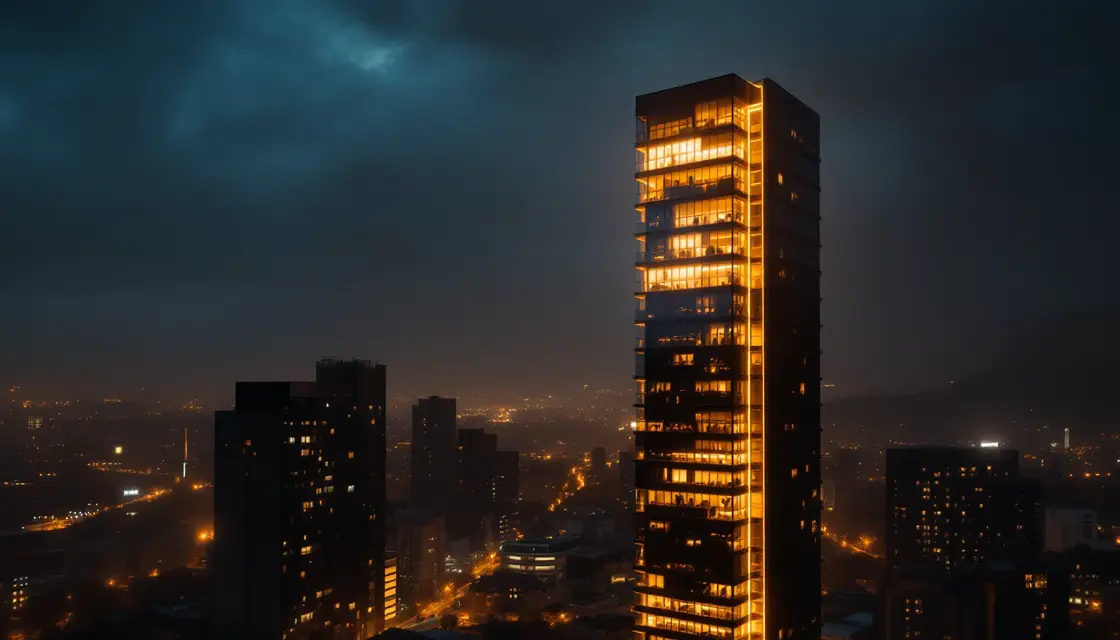
Any honest guide to working in South Africa has to talk about the electricity, and Sandton is no exception. The difference is that the precinct is one of the better places in the country to ride out load-shedding, because the buildings here were among the first to take backup power seriously.
Why it matters more than the coffee
A co-working brochure will sell you on the breakout lounge. The thing that actually decides whether a space is usable is whether it stays on when the grid goes off. Load-shedding, the scheduled rolling blackouts that have become a fixture of South African life, can take several hours out of a working day if your desk goes dark with the grid.
In Sandton Central you are mostly insulated from that. The large commercial towers, the malls and the serious co-working operators run on backup power as standard, so the lights, the lifts and the wifi stay up through a scheduled cut. It is one of the precinct’s underrated advantages over the spare room at home, where backup power is your own expensive problem.
The two failure modes to ask about
Backup power is not one thing, and “we have a generator” is not a complete answer. Two gaps catch people out.
The first is fuel and duration. A generator is only as good as its fuel plan and its runtime. Ask how long backup holds on a long or doubled-up stage of load-shedding, not just whether a generator exists.
The second, and the one people forget, is connectivity. Power and internet are separate systems. A building can keep the lights on and still lose its fibre if the upstream network or a street cabinet goes down. A desk with power but no connection is as useless as one with neither, so ask specifically whether the internet stays up with the lights.
What to check before you commit
If you are weighing up a space in the precinct, put the power question first, ahead of the decor.
- How does the building handle load-shedding: generator, batteries, solar, or a mix?
- How long does backup hold on the worst scheduled stages?
- Does the internet stay up on backup power, with a second line if the first fails?
- Do the lifts and access control keep working, or does a cut strand you?
Get good answers to those and the rest of the co-working checklist is the easy part. Reliable power is the precinct’s quiet argument for working from Sandton instead of gambling on your own suburb’s grid.
Common questions
Do Sandton offices keep running during load-shedding?
Most of the larger commercial buildings, malls and co-working spaces in Sandton Central run on backup power, typically generators and increasingly batteries and solar, so they stay open through scheduled cuts. Smaller or older buildings vary.
What should I check about power before taking a Sandton desk?
Ask specifically how the building rides out load-shedding: generator plus fuel plan, battery backup, how long backup holds, and whether the internet stays up with the lights. A space that keeps power but loses connectivity is still unusable for most work.
More from The Pulse

Food and culture
Lunch Under the Towers
How the precinct dines, from Nelson Mandela Square to the rooftops, without the tourist traps.

Working culture
Why Work From Sandton, Not From Home
The spare-room office won the lockdown and quietly stopped working. The honest case for the precinct.

Working culture
The Hybrid Work Network of the Precinct
How to work from the precinct without a lease: memberships, boardrooms, day passes and how to choose.