
The case
Why Work From Sandton, Not From Home
The spare-room office won the lockdown and quietly stopped working. The case for returning to the Sandton precinct, honestly argued.

The spare-room office won. For a stretch of the early 2020s the argument looked settled: no commute, no open-plan noise, no reason to pay for a desk in a tower when the dining table was free. Working from home was not a compromise, it was the upgrade.
Then it quietly stopped working, and almost nobody wants to say so out loud.
What the spare room took away
The home office is brilliant at the thing it was sold on, which is removing friction, and quietly terrible at the things that friction was carrying.
It removed the commute, and with it the twenty minutes that used to separate work from the rest of life. Now the laptop is always in the next room, and the working day leaks into the evening because nothing marks its end.
It removed the open-plan noise, and with it the overheard half-sentence that solved a problem before it became a meeting. Collaboration got scheduled. Everything that used to happen in the gaps now needs a calendar invite.
It removed the other people. For some roles that is pure gain. For most, a year of it is isolating in a way that creeps up slowly, and no number of video calls replaces being somewhere with other working adults.
What the precinct puts back
This is where Sandton has an unfair advantage over almost anywhere else in the country. The thing a return to the office is supposed to provide, Sandton provides at the scale of a whole precinct rather than a single building.
You can take a membership at a co-working space and have a desk, a boardroom and decent coffee without a lease. You can walk to a lunch that is not at your own kitchen table. You can hold the meeting that needs a room, and then step out into a square instead of a corridor. The precinct is dense enough that all of this is on foot, and that density is the point: the value is not the desk, it is everything within a few minutes of it.
The precinct also solves the commute it is accused of causing. The Gautrain puts Pretoria, Rosebank and the airport on one line into Sandton station, which means working from Sandton does not have to mean sitting in a car on the M1.
The honest ledger
None of this is free, and pretending otherwise is how the return-to-office argument loses people.
A desk in Sandton costs money a spare room does not. There is a trip in, however short. There is the discipline of actually leaving the house. The case for the precinct is not that it is cheaper or easier. It is that the spare room’s savings were partly borrowed against your focus, your separation of work and life, and your contact with other people, and that bill eventually arrives.
Sandton is the one node in Johannesburg dense enough, connected enough and green enough to be worth paying it. We lay out the practical half of that, the co-working options and the green spaces between the towers, in the rest of The Pulse.
Common questions
Is working from Sandton cheaper than working from home?
Not in rand terms. A desk in the precinct costs money that a spare room does not. The argument is about what the spare room quietly costs you in focus, separation and contact, which does not show on a bank statement.
Do I need a full office lease to work from Sandton?
No. The precinct is full of co-working memberships, day passes, hotel lobbies and cafes built for laptop work, so you can use Sandton by the day or the month without signing a lease.
Sources
- Gautrain network and Sandton station, Wikipedia
More from The Pulse
Food and culture
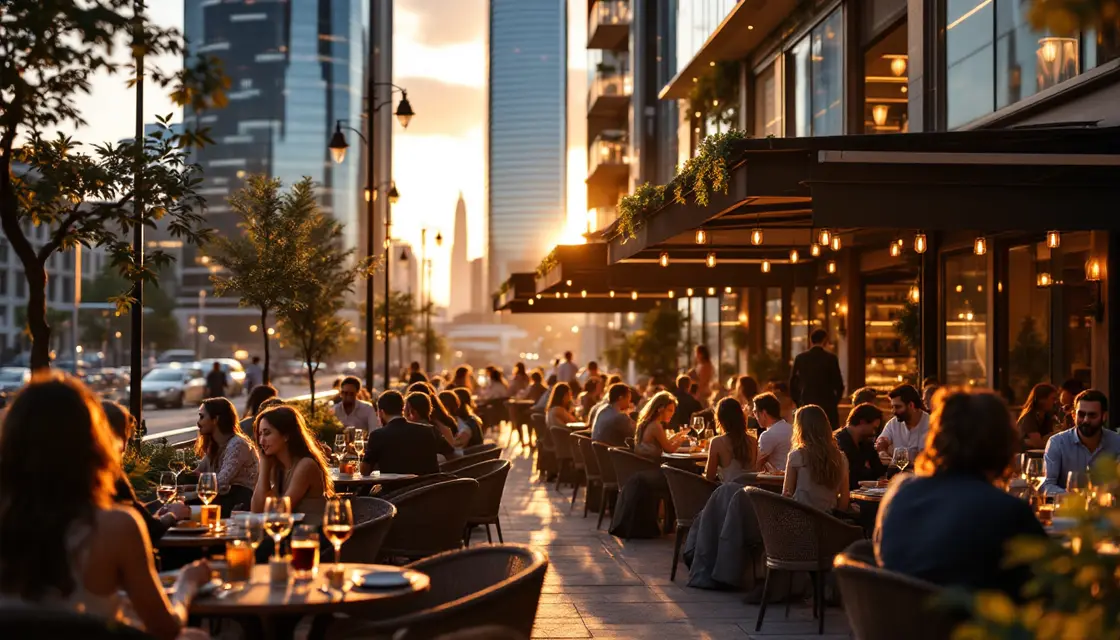
Lunch Under the Towers
How the precinct dines, from Nelson Mandela Square to the rooftops, without the tourist traps.

Working culture
The Hybrid Work Network of the Precinct
How to work from the precinct without a lease: memberships, boardrooms, day passes and how to choose.
The green city
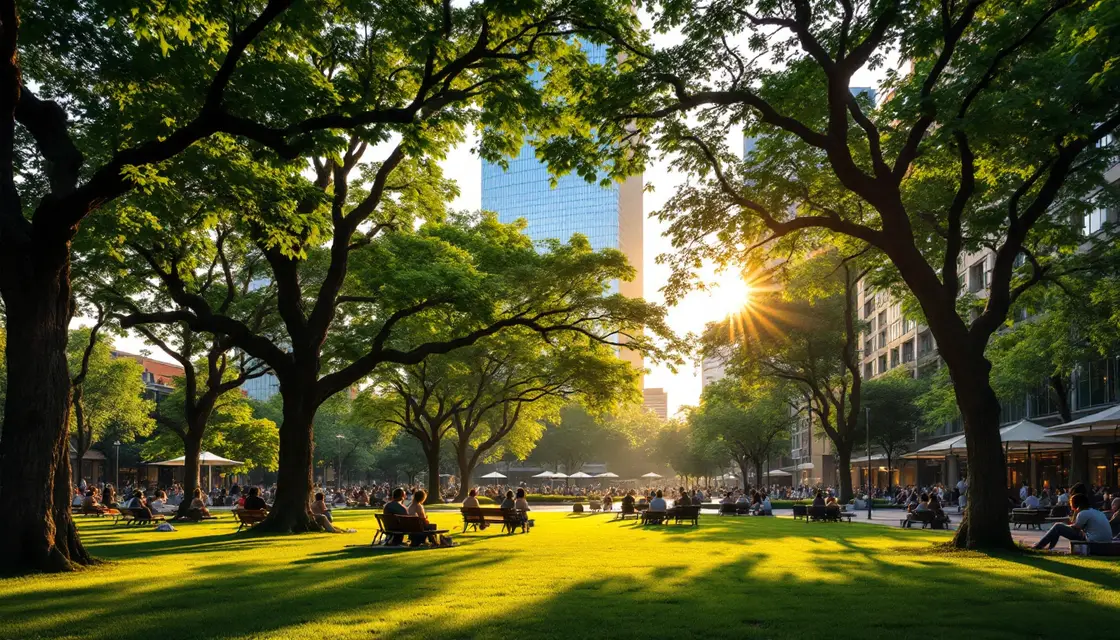
The Urban Oasis Hiding Behind the Towers
The towers get photographed. The squares and parks that make the precinct liveable rarely do.